
Key Takeaways
- Cat6A supports 10 Gigabit Ethernet and suits demanding office, Wi-Fi, VoIP, camera, and access-control networks.
- Begin with a site survey to map pathways, telecom rooms, power proximity, ceiling access, and future expansion needs.
- Require labeled runs, performance certification, rack layouts, and handover documentation for easier maintenance and growth.
- In occupied buildings, phase work around business hours, control dust, and schedule outages in advance.
- Verify CSLB licensing, bond, workers’ compensation, permits, and inspection responsibilities before work begins.
- Compare proposals for testing, firestopping, pathways, warranties, exclusions, and after-hours work, not price alone.
Cat6A Cabling Contractor in Glendale CA: Commercial Network Scope
A qualified Cat6A cabling contractor in Glendale CA designs network infrastructure around the way a commercial property actually operates: workstation density, wireless coverage, phones, cameras, access control, AV systems, and room for future equipment. Cat6A supports high-speed connectivity for demanding office traffic and provides a sound choice for organizations planning 10 Gigabit Ethernet links over copper. The contractor should label every run, certify performance with appropriate test equipment, and deliver records that make moves, repairs, and growth far easier to manage.

Commercial Cat6A Cabling Installation Checklist
| Installation element | What to confirm | Why it matters |
|---|---|---|
| Site review | Review workstation density, wireless coverage, phones, cameras, access control, AV systems, and future equipment needs. | Aligns the network infrastructure with daily property operations. |
| Cable paths | Document planned routes for every cable run. | Provides an organized, serviceable pathway for installation and later work. |
| Rack locations | Identify and document rack locations before installation. | Supports orderly equipment placement and cable management. |
| Outlet counts | Confirm outlet quantities for work areas, connected systems, and planned growth. | Helps provide sufficient connections across the commercial space. |
| Electrical separation | Maintain separation between data cabling and electrical sources that may affect signal performance. | Helps protect network signal performance. |
| Run labeling | Label every cable run. | Makes moves, repairs, and future growth easier to manage. |
| Performance certification | Test and certify cable performance using appropriate test equipment. | Verifies that installed cabling performs as intended. |
| Closeout records | Deliver records covering cable paths, rack locations, outlets, labels, and test results. | Gives the property a reference for maintenance, repairs, and expansion. |
Our Services






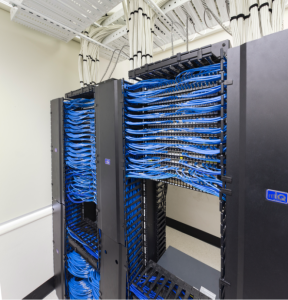


Site Survey Details That Shape the Installation
A proper survey turns a proposed installation into a workable plan. At a Glendale property, that means walking the route from service entry to equipment locations, tracing wall and ceiling access, and checking where power, network hardware, and displays will live. The goal is to identify constraints before crews arrive with ladders, racks, and cabling.
Existing infrastructure often determines the cleanest path. Older buildings may have tight conduits, finished surfaces, limited riser space, or electrical panels far from the intended equipment room. A site visit records measurements, construction materials, available pathways, and any access restrictions set by property management. It can reveal whether cable runs need plenum-rated wire, surface raceway, new conduit, or a different equipment placement. The resulting plan keeps the installation orderly, protects the building’s appearance, and gives clients a clear view of the work ahead.
Coordinating Cabling Work in Occupied Commercial Spaces
Installing or upgrading cabling in an occupied commercial property calls for disciplined planning, clear communication and respect for the people using the space. A working business cannot simply pause for ceiling access, drilling or network outages, so the schedule should reflect actual operating hours, tenant needs and building rules. Experienced contractors begin with a site walk, identifying access routes, risers, occupied offices, security requirements and any work that could affect power, fire systems or daily operations. From there, cabling services can be staged by floor, suite or zone, with noisy tasks assigned to quieter periods and outages agreed in advance. Protecting finished interiors matters too: installers should use clean containment, control dust, label every run and leave work areas ready for staff the next morning. A well-managed installation keeps disruption contained, gives building managers reliable updates and delivers an infrastructure upgrade without turning the workplace into a construction site.
Network Cabling Scope Checklist
- Review workstation counts, wireless access points, phones, cameras, access control, and AV equipment.
- Map cable routes, telecom rooms, rack locations, outlet placements, and pathways before installation begins.
- Maintain separation between data cabling and electrical sources to limit interference risks.
- Specify Cat6A runs for commercial 10 Gigabit Ethernet connections and future equipment growth.
- Use clean routing, proper support, and serviceable rack layouts for straightforward maintenance.
- Label both ends of every cable run, patch panel port, outlet, and rack component.
- Request certification test results and as-built records for repairs, moves, and later expansion.
Service Area
Comparing Cabling Services and Project Proposals
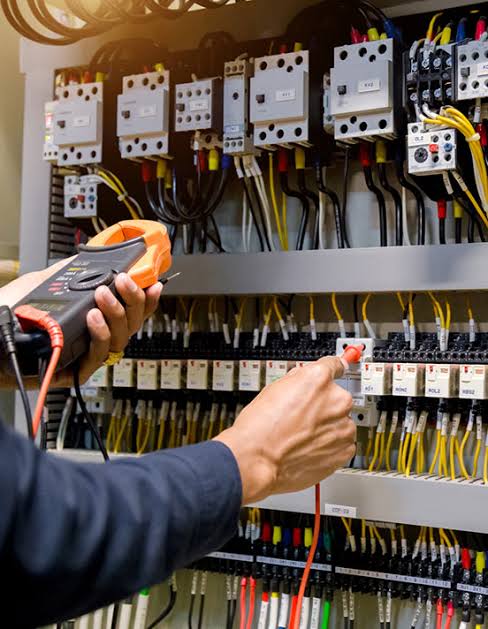
A strong proposal for cabling services does more than list cable types and a final price. It shows how the contractor has read the site, understood the building’s use, and planned for installation without unnecessary disruption. Compare contractors line by line: scope, materials, testing, documentation, warranty coverage, project schedule, and exclusions should be plainly stated. For a commercial property, the lowest figure can omit patch panels, firestopping, labeling, lift access, or after-hours work, costs that often surface later. Ask each contractor to identify the standards governing the structured cabling design and explain how the installation will support present network loads and future moves, additions, or equipment upgrades. A credible proposal includes cable pathways, rack layout, certification test results, and a clear handover package. The best choice is the team whose price, field plan, and accountability match the real demands of the site.
Proposal comparison checklist
- Match each scope against site needs, including pathways, outlets, racks, patch panels, and cable types.
- Check stated standards for structured cabling design, installation methods, and certification testing.
- Review exclusions for firestopping, labeling, lift access, permits, disposal, and after-hours work.
- Compare material brands, cable ratings, connector types, and warranty terms line by line.
- Ask for a schedule covering site preparation, installation phases, testing, corrections, and handover.
- Request rack layouts, pathway plans, test reports, labeling records, and final as-built documents.
- Choose the contractor whose field plan and accountability fit the building’s current loads and future changes.