
Key Takeaways
- Plan fiber pathways, equipment rooms, firestopping, and electrical separation before installation begins.
- Use single-mode fiber for long-distance capacity; choose multimode for shorter interior connections.
- Combine fiber backbones with copper horizontal cabling for flexible, scalable network infrastructure.
- Require continuity, insertion-loss, return-loss, and OTDR testing before accepting completed work.
- Request labeled endpoints, as-built drawings, test results, spare-strand records, and warranty documentation.
- Compare itemized proposals covering materials, access, terminations, testing, restoration, and compliance requirements.
Fiber Optic Cabling Contractor in Glendale CA: Commercial Service Scope
A qualified fiber optic cabling contractor in Glendale CA plans, installs, tests, and documents the physical pathways that carry a business’s data, voice, security, and wireless traffic. The work starts well before cable is pulled: site walks identify riser routes, ceiling access, equipment-room conditions, firestopping needs, and the separation required between data lines and electrical runs. For offices, medical facilities, schools, retail properties, and multi-tenant buildings across Glendale, California, that preparation keeps the installation orderly and serviceable.
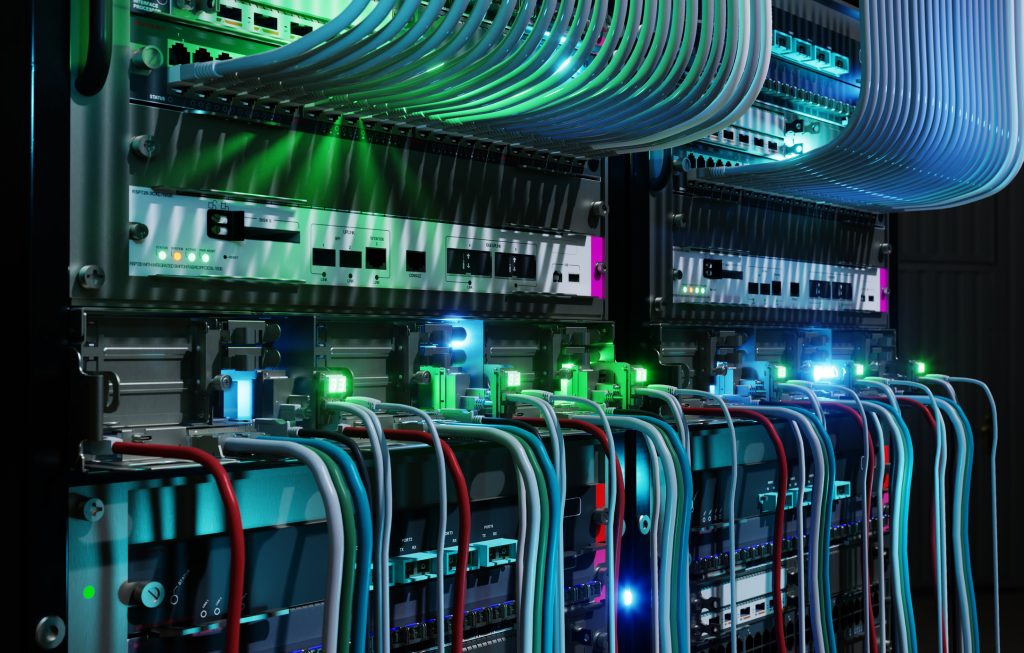
Fiber cabling project checklist
- Map pathways, equipment rooms, termination points, and future expansion needs before installation begins.
- Select fiber types and connector formats suited to bandwidth demands, distances, and building conditions.
- Coordinate schedules with IT staff, internet carriers, contractors, and property management teams.
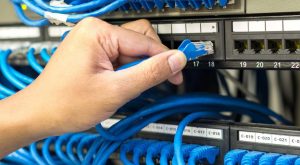
- Label every cable, panel, and termination point for faster maintenance and simpler troubleshooting.
- Test each fiber run for loss, continuity, and faults; retain documented results for records.
- Plan dedicated links between Glendale facilities and colocation equipment for predictable hosted connectivity.
- Address damaged or degraded fiber with fault location, proper repair, retesting, and updated documentation.
Our Services
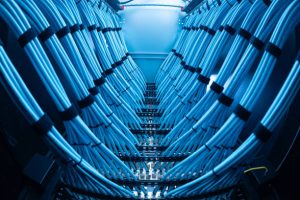


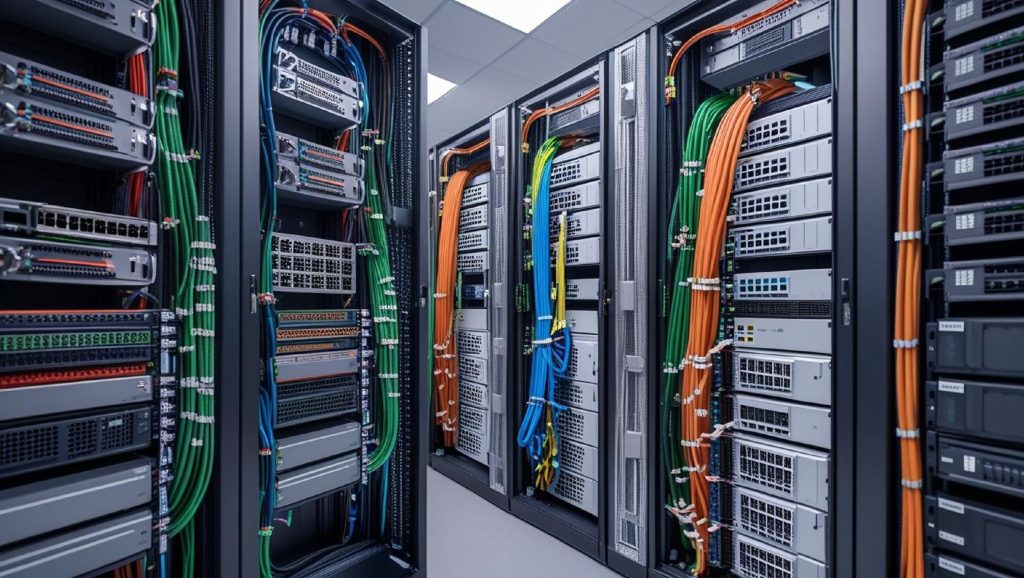
Structured Cabling and Fiber Optic Design Choices
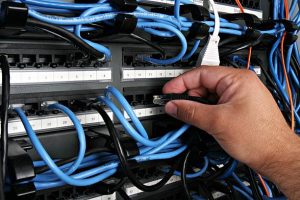
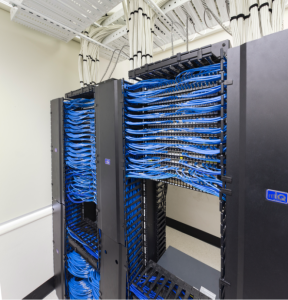
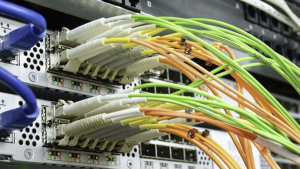
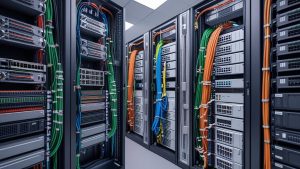
Thoughtful structured cabling gives a property a clean, serviceable foundation for data and voice. Fiber optic structured wiring, copper ethernet runs, labeled pathways, and accessible terminations keep the network infrastructure ready for growth without repeated disruption.
Single-Mode vs. Multimode Fiber for Backbone Planning
| Planning factor | Single-mode fiber | Multimode fiber |
|---|---|---|
| Typical route length | Long runs | Shorter indoor links within its design limits |
| Suitable environment | Campuses, larger estates, and links between distant points | Risers and connections between nearby network closets |
| Capacity headroom | High-capacity traffic and broad headroom for later upgrades | Excellent performance where distances remain within design limits |
| Optics and equipment cost | Optics can carry a higher initial cost | Practical equipment cost for shorter links |
| Planning use case | Appropriate where future expansion is likely | Appropriate for nearby indoor connections |
Service Area
Testing, Documentation and Fiber Optic Repair
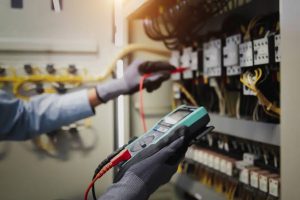
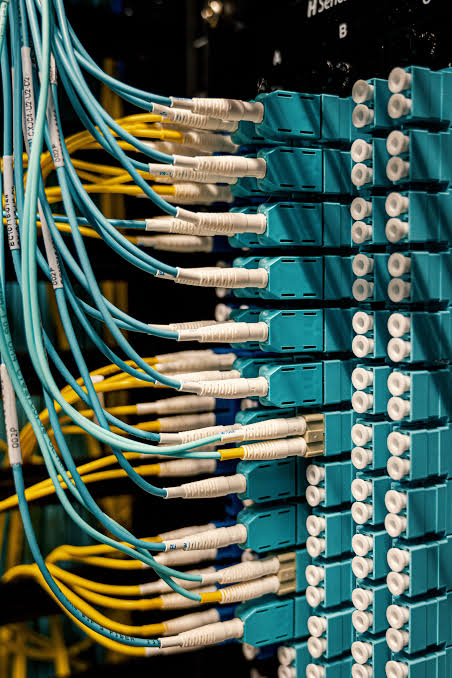
A fiber optic installation is only ready for service after its performance is measured, recorded and verified against the project standard. Technicians test each fiber cable for continuity, insertion loss and return loss, then use an OTDR trace to identify events such as connectors, splices, bends or breaks along the route. These results show whether light is moving cleanly through the system and whether the link can carry the required data without avoidable loss.
Clear documentation gives owners and IT teams a usable record of the network. A closeout package should identify cable paths, strand counts, termination points, labeling, test readings and spare capacity. That detail saves time during moves, additions, fault finding and future upgrades, particularly in larger buildings where pathways disappear above ceilings or behind finished walls.
For damaged links, fiber optic repair starts with locating the fault and protecting the affected cable from further strain. A qualified technician prepares the fibers, completes fusion splicing where needed, and retests the repaired strands before restoring service. Careful workmanship matters: a clean splice, correct routing and accurate records help preserve dependable fiber optic performance long after the initial installation.
Contractor Questions Checklist
- Request a written scope covering cable type, routes, termination points, labeling, testing, and closeout documents.
- Ask for a site survey that reviews risers, ceilings, conduit capacity, firestopping, interference, and operational impacts.
- Request itemized pricing for labor, materials, access equipment, route difficulty, strand counts, terminations, testing, and restoration.
- Compare fiber and copper roles based on run length, bandwidth needs, building links, current equipment, and projected growth.
- Confirm the contractor’s plan for working around occupied offices, tenant schedules, parking, ceiling access, and restricted areas.
- Ask which testing standard and equipment will be used, plus whether results will identify each fiber strand and endpoint.
- Require final drawings, pathway records, labeled endpoints, test reports, warranty information, and California fire and safety compliance details.